
Cycling can help reduce overall body fat, and that may eventually show in your thighs, belly, waist, and legs. But cycling does not directly target thigh fat or belly fat in isolation. The real mechanism is simpler: consistent riding helps you burn energy, improve fitness, and support a calorie deficit when your eating habits and recovery match the goal.
That answer is less flashy than promising a flat stomach or thinner thighs after a few rides, but it is more useful. If you understand what cycling can and cannot do, you can build a routine that improves body composition without chasing myths or overtraining.
Quick Answer: What Cycling Can Change
| Question | Practical answer | What matters most |
|---|---|---|
| Will cycling reduce thigh fat? | It can help reduce total body fat, which may reduce thigh fat over time. | Calorie balance, ride consistency, and genetics. |
| Will cycling burn belly fat? | It supports overall fat loss, but it cannot choose belly fat first. | Regular aerobic activity, nutrition, sleep, and stress control. |
| Will cycling make legs thinner? | Some riders look leaner; others build more leg tone before size changes. | Starting body composition, ride intensity, and resistance. |
| Does an e-bike still count? | Yes, if you ride often enough and choose an assist level that keeps you active. | Time in the saddle, route frequency, and moderate effort. |
Why Cycling Does Not Spot-Reduce Fat
Spot reduction is the idea that working one body part burns fat from that exact area. Cycling uses the thighs, glutes, calves, hips, and core, so it is easy to assume those areas will lose fat first. The body does not work that neatly. When you use more energy than you take in, your body draws from fat stores across the body, and where fat comes off first depends on genetics, hormones, age, training history, and overall body composition.
This is why two riders can follow the same cycling plan and see different changes. One person may notice a smaller waist first. Another may see better leg definition but little change on the scale. A third may feel stronger and less winded before seeing visible fat loss. Those outcomes do not mean cycling failed; they mean the body is adapting in more than one way.
A better way to think about the question is this: cycling gives your body a repeatable reason to use energy, improve circulation, and maintain or build lower-body fitness. Your body then decides where fat is lost as overall body fat changes. That is why the best cycling plan focuses on weekly consistency instead of trying to force one specific body part to change first.
How Cycling Helps Fat Loss Anyway
Cycling is useful for fat loss because it is repeatable. Many people can ride longer and more often than they can run, especially if joint impact, hills, commuting needs, or low starting fitness make other workouts hard to sustain. A habit you can repeat for months usually beats an extreme plan you quit after two weeks.
The main benefit is energy expenditure. A casual ride, a brisk commute, a longer weekend route, or a hillier workout all use calories. When that activity is paired with a reasonable diet, it can create the calorie deficit needed for fat loss. Cycling also improves aerobic fitness, which can make it easier to stay active outside the ride itself.
The second benefit is lower-body conditioning. Cycling repeatedly trains the quadriceps, hamstrings, glutes, calves, and hip flexors. If you want a separate look at the riding muscles involved, use the muscles used while riding an e-bike. For this article, the key point is that stronger, better-conditioned legs may look firmer even before large fat-loss changes appear.
The third benefit is control. You can adjust cycling without changing the whole activity. Short on time? Ride a shorter route at a steady pace. Feeling fresh? Add a hill or a few harder efforts. Recovering from a tough day? Keep the ride easy and preserve the habit. That flexibility is one reason cycling works well for people who struggle with start-stop fitness plans.
What Happens to Thighs When You Ride More
Thigh changes are usually a mix of fat loss, muscle tone, water retention, and posture. If you are new to cycling, your legs may feel firmer before they look smaller. If you ride with high resistance, steep hills, heavy loads, or low cadence, your legs may build more strength. If you ride at moderate effort for longer periods while also managing food intake, your legs may gradually look leaner.
For most everyday riders, cycling alone is unlikely to create bulky legs. Large muscle growth usually requires heavy resistance, repeated hard efforts, enough calories, and progressive strength work. Moderate cycling is more likely to improve endurance and shape than to dramatically increase thigh size.
If your main worry is that cycling will make your thighs larger, pay attention to how you ride. Long, steady rides at a moderate pace usually emphasize endurance. Frequent low-cadence climbs, heavy resistance, and sprint-style efforts create a stronger stimulus for leg strength. Neither style is wrong; the best choice depends on whether your priority is comfort, fitness, commuting, fat loss, or performance.
What Happens to Belly Fat
Belly fat responds to the same overall fat-loss rules. Cycling can help because it raises weekly activity and supports cardiovascular health, but it cannot force fat to leave the abdomen first. If your rides are consistent but your food intake rises just as much, belly measurements may not change. If your rides help create a sustainable calorie deficit, the waist can gradually shrink.
The most realistic way to track progress is not only body weight. Use waist measurements, how clothes fit, ride stamina, resting energy, and how easy it feels to complete the same route. Belly fat changes can be slow, but improved consistency is often visible in performance before it is obvious in photos.
Does E-Bike Riding Still Help?
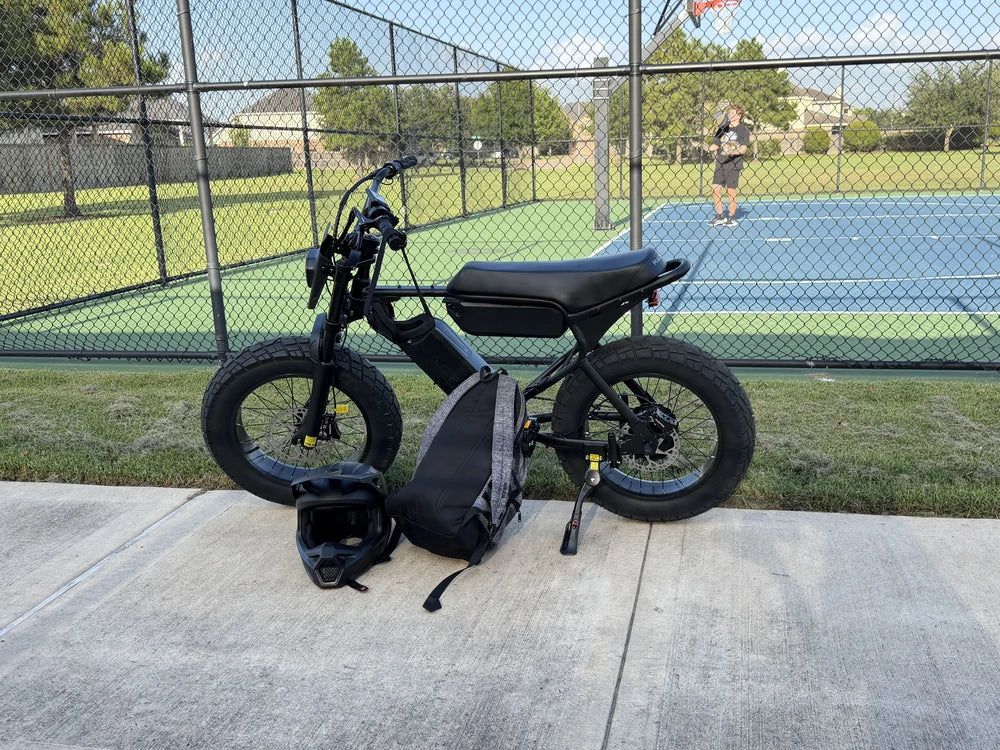
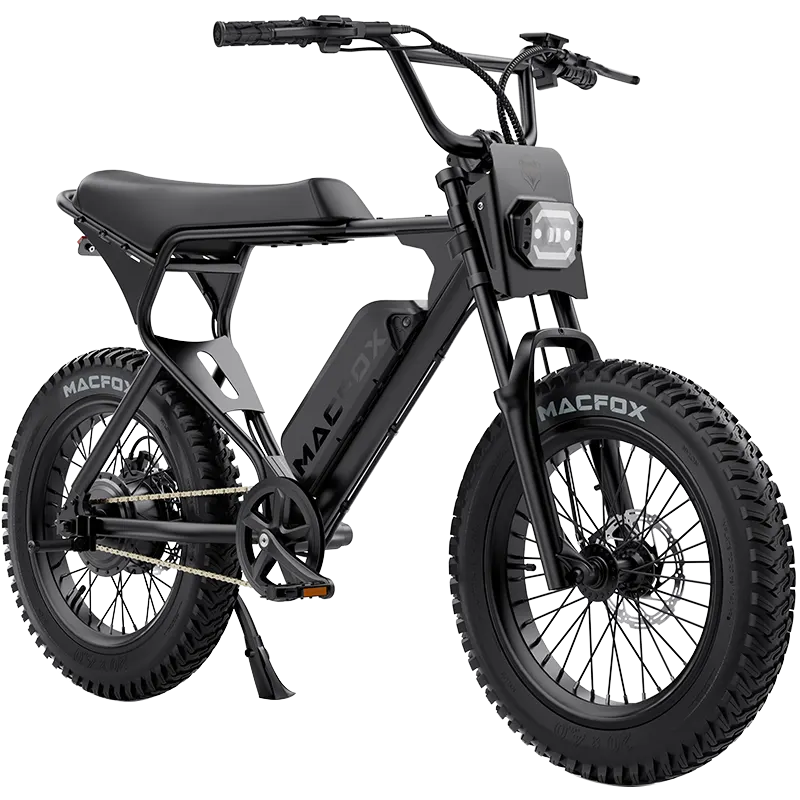
Yes, riding electric bikes can still support fat loss when the bike helps you ride more often, go farther, or choose routes you would otherwise skip. The mistake is assuming assist level does all the work. The better approach is to use assist as a consistency tool. Start with enough support to make riding enjoyable, then lower assist or extend distance when your fitness improves.
For many riders, a commuter electric bike turns exercise into transportation. That matters because a 20- to 40-minute ride repeated several times per week can be easier to maintain than a separate gym habit. If you are unsure how far is realistic, compare your route with the bike commuting distance guide before setting a weekly target.
Assist settings also change the training effect. High assist can be useful when you are starting, riding with traffic, carrying cargo, or trying to avoid arriving exhausted. Lower assist asks your legs and lungs to do more. A practical plan is to keep enough assist to finish the ride confidently, then lower assist on flat sections or extend the route as your fitness improves.
A Practical Cycling Routine for Fat Loss
A good fat-loss riding plan should be boring enough to repeat. You do not need to chase maximum effort every day. Start with three to five rides per week, keep most rides at a pace where breathing is elevated but controlled, and add one harder or hillier session only after your body adapts.
- Beginner: 20 to 30 minutes, 3 days per week, easy to moderate effort.
- Building habit: 30 to 45 minutes, 4 days per week, with one longer ride.
- More advanced: 45 to 60 minutes, 4 to 5 days per week, with one interval or hill session.
- E-bike rider: use assist to finish the ride, then gradually reduce assist on easier sections.
Warm-ups and recovery matter because soreness can break consistency. Before longer rides or harder hill sessions, use a simple routine from the pre-cycling warm-up guide. After the ride, hydrate, eat normally instead of over-rewarding the workout, and give your legs time to adapt.
How Hard Should You Ride?
Most fat-loss riding should feel sustainable, not punishing. A useful test is the talk test. If you can speak in short sentences but your breathing is clearly elevated, you are likely in a moderate zone that many riders can repeat several times per week. If you can barely speak, the effort is harder and should be used more selectively.
Harder efforts can help, but they should not replace the whole plan. One hill session or interval-style ride per week is enough for many riders once a base habit is in place. More is not always better. If hard rides make you skip the next two sessions, the plan is working against consistency.
Indoor cycling, outdoor cycling, and e-bike riding can all fit the same logic. The exact calorie number matters less than whether the ride creates a repeatable weekly pattern. A moderate 30-minute ride you do four times per week usually beats a brutal two-hour ride that leaves you inactive for the rest of the week.
Common Mistakes That Slow Progress
- Expecting cycling to target only thighs or belly.
- Increasing ride time while also eating back more calories than the ride used.
- Using maximum e-bike assist all the time and never building effort.
- Doing hard rides daily instead of building a repeatable weekly routine.
- Ignoring sleep, stress, hydration, and recovery.
- Quitting too early because visual changes are slower than fitness improvements.
Another mistake is treating sweat as the goal. Sweating can happen because of heat, clothing, humidity, or route difficulty. It is not a direct fat-loss measurement. If your goal is daily consistency, especially for commuting, the sweat-free e-bike riding tips can help you ride more often without turning every trip into a hard workout.
How to Track Progress Without Guessing
Do not rely on one measurement. Scale weight can move slowly because cycling may improve muscle tone, water balance, and glycogen storage while fat loss is still happening. Waist measurements, how jeans fit, resting energy, ride duration, and how the same hill feels can all give useful feedback.
Use a simple four-week check. Did you ride the number of days you planned? Did your average route feel easier? Did your waist or clothing fit change at all? Did you recover well enough to keep going? If the answers are mostly yes, keep the plan. If not, adjust one variable at a time: ride frequency, ride length, assist level, or eating habits.
When Will You See Results?
Some riders feel results within two to three weeks: better stamina, less breathlessness, and easier climbs. Visible changes in thighs, waist, or belly usually take longer. A realistic window is six to twelve weeks of consistent riding paired with food habits that support the goal. The more aggressive the promise, the less useful it usually is.
A steady plan should leave you feeling capable of repeating it next week. If your plan makes you exhausted, sore, or hungry enough to overeat, it may reduce consistency. For fat loss, the best cycling plan is the one you can keep doing without turning your whole week into recovery.
FAQ
Can cycling make your legs thinner?
It can, if cycling helps you lose overall body fat. It may also make your legs look more toned. It does not guarantee that thigh fat disappears first.
Is cycling better than walking for thigh fat?
Both can help if they support a calorie deficit. Cycling may be easier for longer distances or higher weekly volume, while walking is simple and low effort. The better option is the one you can repeat.
Do e-bikes burn enough calories for weight loss?
They can, especially when an e-bike helps you ride farther or more often. Use assist strategically instead of letting the motor remove all effort.
Should I ride every day to lose belly fat?
Daily riding is not required. Three to five consistent rides per week, combined with sensible eating and recovery, is a more realistic starting point for most people.
Bottom Line
Cycling does not directly burn fat from only your thighs or belly. It helps by making regular movement easier, burning energy, improving aerobic fitness, and conditioning the lower body. If you ride consistently, manage food intake, and give the process enough time, cycling can be a strong part of a healthier fat-loss plan.