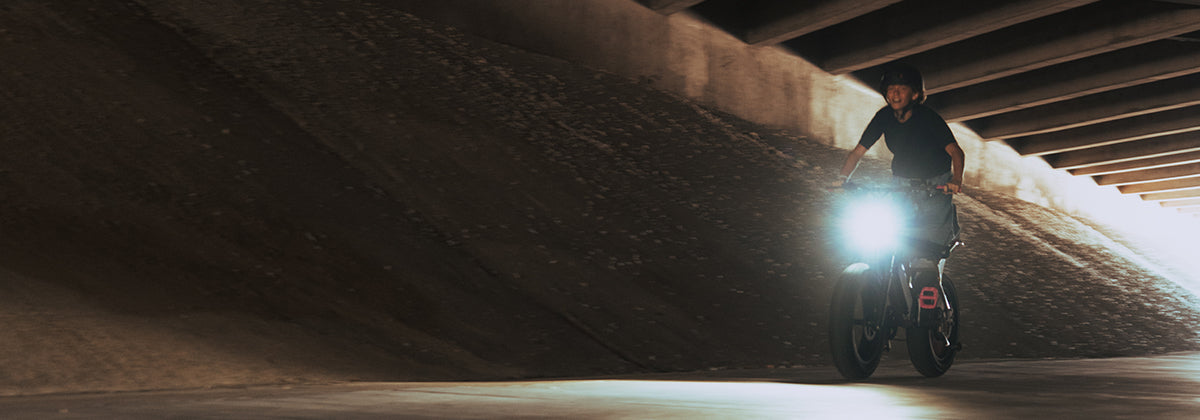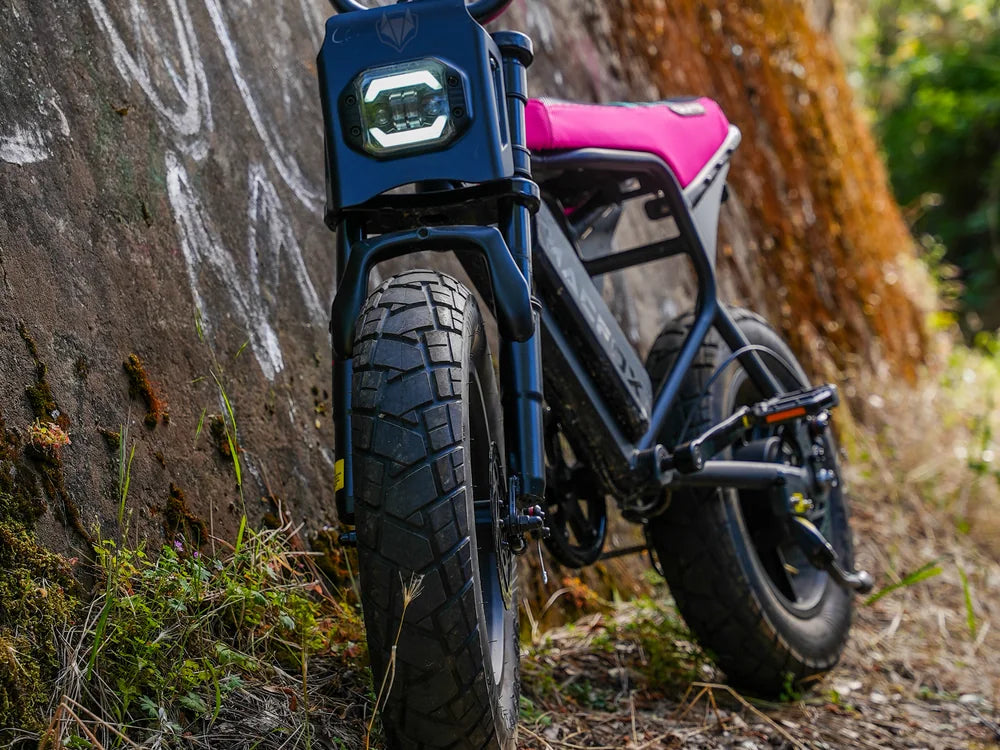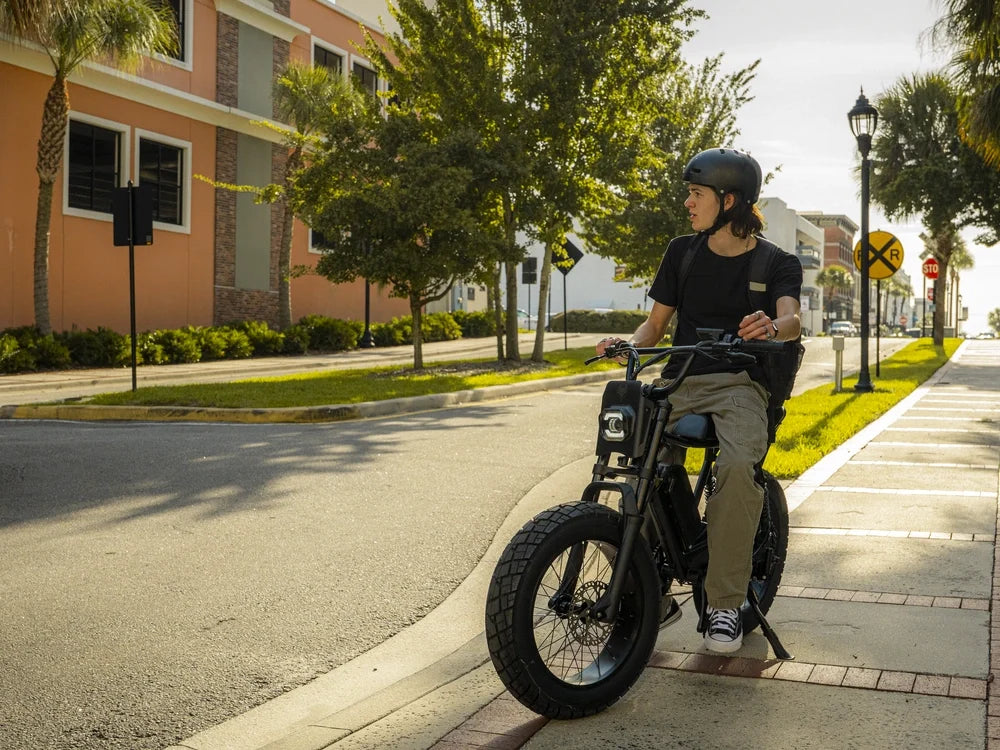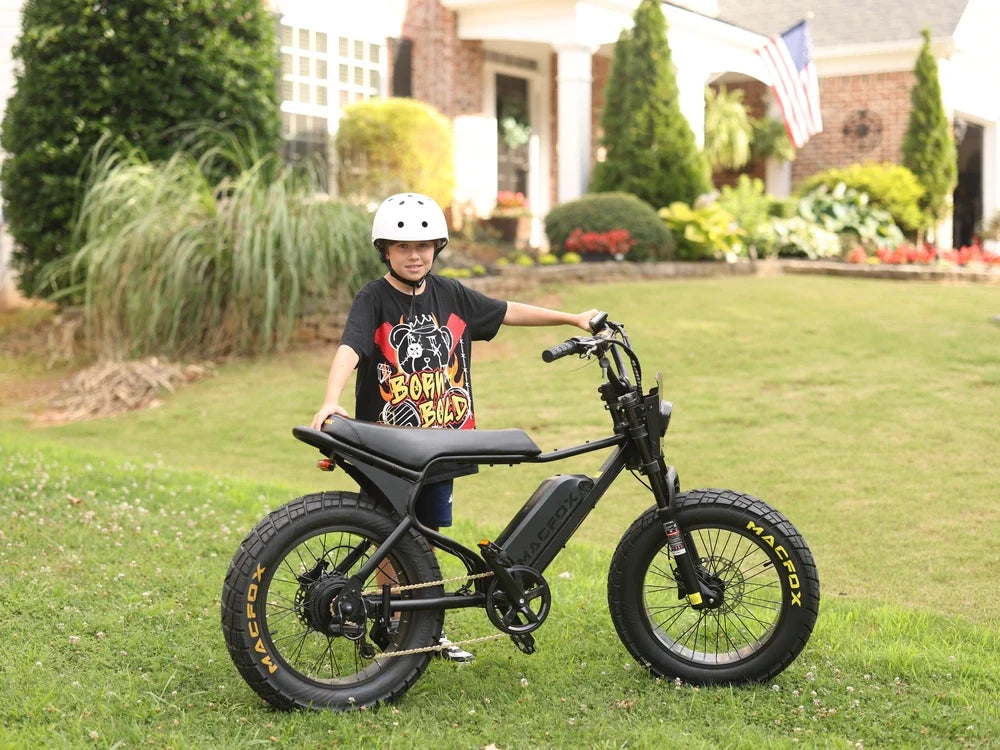

A 500W e-bike is usually fast enough for everyday riding, but the useful answer is narrower than the watt number. In the United States, many 500W Class 1 and Class 2 e-bikes are limited to 20 mph with motor assistance. Some private-property or unrestricted setups may advertise mid-20s mph, but controller settings, battery voltage, rider weight, tire size, terrain, wind, and local class rules decide what you actually feel.
If you are comparing electric bikes, treat 500W as a balance of acceleration, hill help, and daily efficiency rather than a promise of a higher legal top speed.
How Fast Is 500W in MPH?
For most street-legal e-bike shoppers, a realistic 500W answer is 20 mph assisted speed on Class 1 or Class 2 models. A stronger rider can pedal beyond that downhill or with a tailwind, but the motor normally stops helping at the programmed limit.
| Riding Situation | Typical 500W Speed Expectation | What Changes the Result |
|---|---|---|
| Street-legal Class 1 or Class 2 e-bike | Usually up to 20 mph with motor assistance. | Class label, controller limit, throttle rules, and local access rules. |
| Class 3 pedal-assist setup | Can assist up to 28 mph where Class 3 is recognized, but not every 500W bike is Class 3. | Speedometer, age/helmet rules, trail restrictions, and state law. |
| Hills, cargo, soft tires, or headwind | Often below the top assisted speed, especially on climbs. | Rider weight, payload, tire pressure, grade, wind, and battery state of charge. |
| Unrestricted private-property setup | May advertise mid-20s mph or more, but that does not make it legal on public routes. | Controller programming, brakes, tires, warranty, and riding location. |

Why 500W Does Not Guarantee 25 MPH
Motor wattage describes power capacity, not a complete speed promise. Two 500W e-bikes can feel very different if one uses a different controller, battery voltage, wheel size, tire tread, or gearing. That is why a simple search for "how fast is 500W in mph" can return answers that look inconsistent.
| Factor | How It Affects Speed | Practical Check |
|---|---|---|
| Controller limit | The controller can stop assistance at 20 mph even when the motor has more power available. | Read the e-bike controller guide before changing settings. |
| Battery voltage and charge | A low battery or voltage sag can make the bike feel slower under load. | Compare range, battery size, and expected route length together. |
| Rider and cargo weight | More load usually affects acceleration and hill speed more than flat-road limit speed. | Add rider, backpack, lock, water, and cargo when judging performance. |
| Tires and pressure | Underinflated or aggressive tires can reduce efficiency and make the bike feel slower. | Use the bike tire pressure guide for pressure basics. |
| Throttle and pedal assist | Throttle feel and pedal-assist response are not identical even on the same top-speed limit. | Compare the e-bike throttle guide if control feel matters. |
500W vs 750W: Speed, Torque, and Legal Boundaries
A 750W e-bike does not automatically travel faster than a 500W e-bike on public roads. The larger motor can help with starts, hills, heavier riders, and maintaining speed under load, but class programming can still keep both bikes around the same assisted top speed.
| Question | 500W E-Bike | 750W E-Bike |
|---|---|---|
| Top speed on a legal Class 1/2 setup | Usually limited to 20 mph. | Can also be limited to 20 mph. |
| Acceleration and hill feel | Good for daily city riding and moderate slopes. | Usually stronger under load or on steeper climbs. |
| Legal attention | Still needs class and local access checks. | 750W is an important threshold in many U.S. e-bike definitions. |
| Best next comparison | Use the 500W vs 750W e-bike comparison when the decision is power level, not only speed. | |
What a 500W E-Bike Feels Like on Real Routes
The reason 500W remains popular is repeatability. A 500W motor can make a 12-18 mph commute feel easier, help you restart after traffic lights, and reduce effort on mild hills without pushing the bike into an electric dirt bike category.
- City commuting: the main benefit is holding a steady pace through starts, stops, and traffic gaps.
- Campus or neighborhood riding: 500W is usually more useful for smooth control than for chasing maximum speed.
- Light hills: the motor helps, but grade, rider weight, and battery level still matter.
- Longer rides: speed is only one part of the trip. The bike-to-work distance guide is better for commute-time planning.

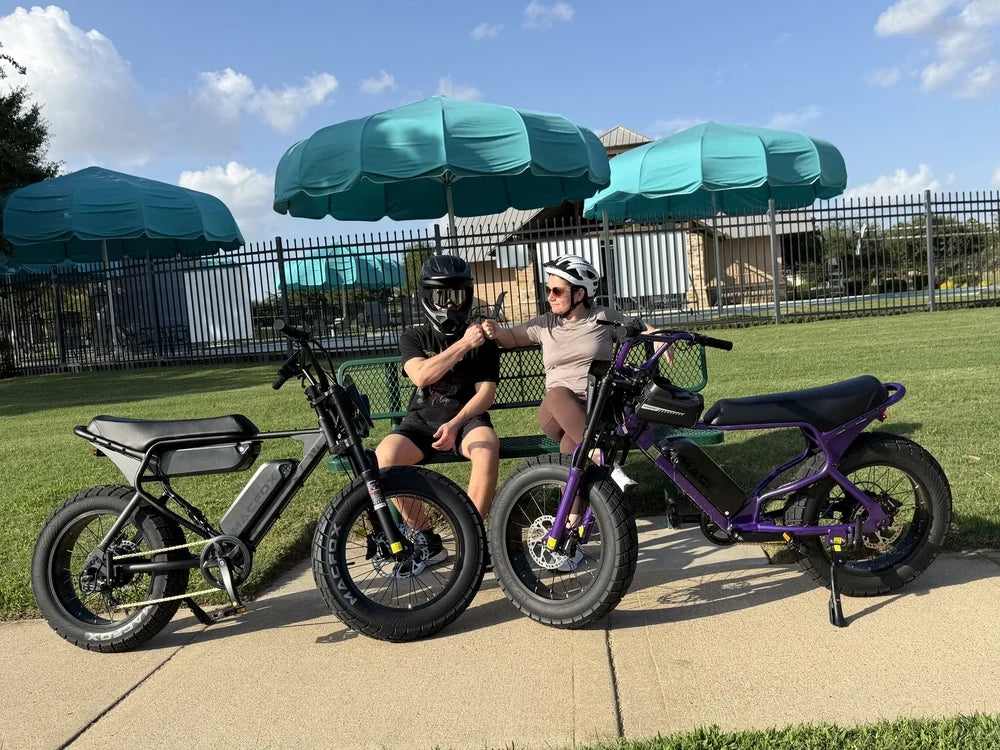
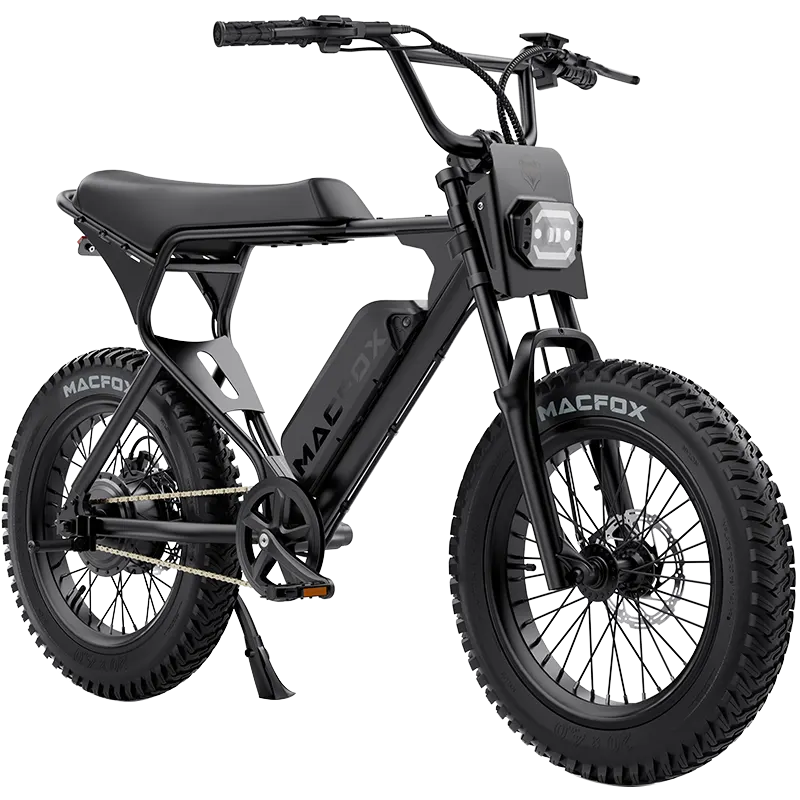
Macfox 500W Models: X1S and X7
Macfox's current 500W options are not positioned as high-speed e-motos. The better question is which 20 mph, 500W setup fits your route, ride feel, tire preference, and payload needs.
| Model | Current Speed and Motor | Best Fit | What Not to Assume |
|---|---|---|---|
| Macfox X1S commuter e-bike | 20 mph top speed; 500W motor with 750W peak output. | Daily city rides, campus routes, short to medium commutes, and riders who want a lighter 500W Macfox option. | Do not judge it only by wattage; range, rider height, tire feel, and route matter too. |
| Macfox X7 fat tire e-bike | 20 mph top speed; 500W motor with 750W peak output. | Riders who want a wider fat-tire stance, stronger payload margin, and street-focused stability. | Do not treat fat tires as a higher-speed claim; they change comfort, contact patch, and feel. |
When to Use a Different Speed Guide
A 500W speed question often leads to a more specific next question. Use the links below when you need a broader speed page, a model comparison, a buying guide, or a legal-class explanation.
| If You Want to Know | Best Next Page | Why |
|---|---|---|
| Which 500W e-bike should I buy? | best 500W electric bike guide | It is better for product selection, hills, range, and buyer tradeoffs. |
| What is Macfox top speed by model? | Macfox top speed comparison | It compares model-by-model speed numbers and setup differences. |
| How fast can e-bikes go in general? | e-bike speed limits guide | It covers 250W, 500W, 750W, higher-power setups, and legal boundaries. |
| Which class does a faster e-bike fit? | electric bike class guide | Class rules decide where the bike can be used, not only how fast it can go. |
FAQ
How fast can a 500W e-bike go?
Many 500W e-bikes are limited to 20 mph with motor assistance when sold as Class 1 or Class 2 models. Some setups may advertise higher speeds, but controller limits, battery voltage, rider weight, terrain, and local rules decide the real answer.
Is 500W enough for hills?
For mild to moderate hills, 500W is usually enough for commuting and neighborhood riding. Very steep hills, heavy cargo, soft tires, or frequent stop-and-go climbing may make a stronger motor feel better.
Is a 500W e-bike legal in the United States?
A 500W motor can fit common U.S. low-speed e-bike rules, but legality also depends on class, assisted speed, throttle behavior, labeling, and local access rules. Check the class guide and your state or city rules before riding.
Does a 750W e-bike always go faster than a 500W e-bike?
No. A 750W motor can improve acceleration and climbing, but both 500W and 750W e-bikes can be programmed to the same assisted speed limit. Speed class and controller settings matter more than wattage alone.
Which Macfox 500W e-bike should I compare first?
Start with the Macfox X1S if you want a lighter commuter-style 500W e-bike. Compare the Macfox X7 if you want a wider fat-tire stance, more payload margin, and a stronger street-riding feel.