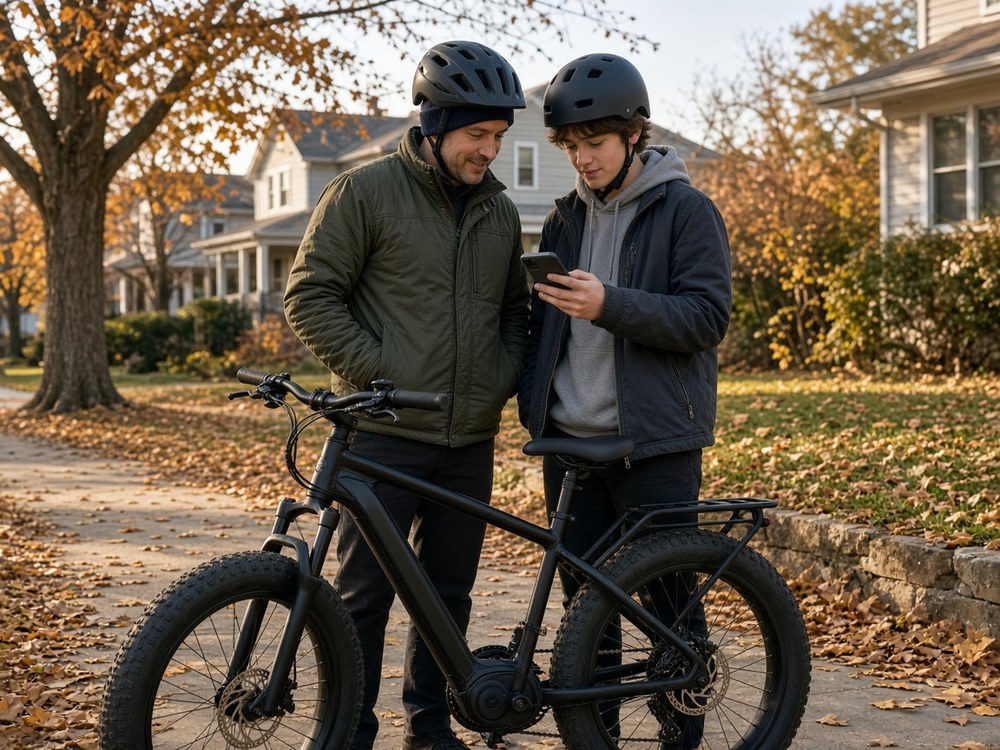

Georgia recognizes electric assisted bicycles as a specific vehicle type. For 2026 riding decisions, the first question is not only whether the bike has a motor. The bike also needs pedals, a saddle, a motor of not more than 750 watts, and a Class I, Class II, or Class III setup that fits Georgia's e-bike rules.
That matters for riders asking whether they need a license, where they can ride, and what extra rules apply to faster pedal-assist bikes. A qualifying electric assisted bicycle is generally treated like a bicycle under Georgia traffic law, but Class III bikes have stricter path, age, helmet, and speedometer rules.
If you are comparing electric bikes for Georgia riding, check the class label, motor wattage, top assisted speed, brakes, speedometer status, and local path rules before you buy or modify a bike.
Georgia E-Bike Law Quick Reference
| Question | Georgia Answer | What Riders Should Check |
|---|---|---|
| What counts as an e-bike in Georgia? | Georgia uses the term electric assisted bicycle for a two- or three-wheel device with a saddle, fully operative pedals, and an electric motor of not more than 750 watts. | Pedals, saddle, motor wattage, label, and top assisted speed. |
| Does Georgia use e-bike classes? | Yes. Class I, Class II, and Class III are defined in Georgia Code 40-6-300. | Class I and II are 20 mph categories; Class III is a 28 mph pedal-assist category. |
| Do you need a license for an electric bike in Georgia? | Georgia's electric assisted bicycle article gives qualifying e-bike riders bicycle rights and duties and does not create a separate driver-license step for that category. | Do not assume the same answer for an overpowered device, moped, motorcycle, or bike without working pedals. |
| Can e-bikes use bike paths? | Class I and Class II may use bicycle or shared use paths where bicycles are allowed unless a local authority or state agency prohibits them. Class III is more restricted. | Check local signs, parks, campuses, trails, and state agency rules before riding. |

Georgia Class I, Class II, and Class III E-Bikes
Georgia Code 40-6-300 defines three electric assisted bicycle classes. The class affects assisted speed, throttle use, path access, equipment, and rider requirements.
| Georgia Class | Motor Assistance | Assisted Speed Limit | Main Rider Impact |
|---|---|---|---|
| Class I | Motor assists only while the rider is pedaling. | Assistance stops at 20 mph. | Usually the least complicated e-bike class for shared path access, subject to local limits. |
| Class II | Motor may be used to propel the bike without pedaling. | Not capable of reaching 20 mph under motor power. | Throttle behavior matters; check the label and actual setup. |
| Class III | Motor assists only while the rider is pedaling. | Assistance stops at 28 mph. | More restrictions: age 15+, helmet requirement, speedometer, and tighter path access. |
For a broader explanation of these categories, use Macfox's electric bike class guide after checking the Georgia-specific rules here.
License, Label, and Equipment Rules
Georgia Code 40-6-301 says an electric assisted bicycle operator has the rights and duties of a bicycle operator unless the e-bike part provides otherwise. That is the practical basis for treating a qualifying e-bike differently from a moped or motorcycle.
For license searches, the safe answer is this: Georgia's electric assisted bicycle rules do not add a separate driver-license step for a qualifying electric assisted bicycle. If the vehicle does not fit the Georgia definition or has been modified beyond the class rules, the answer can change.
| Item | Georgia Rule | Rider Action |
|---|---|---|
| Motor wattage | Electric assisted bicycle definition uses not more than 750 watts. | Check the manufacturer label and do not rely on peak-marketing language alone. |
| Class label | Bikes manufactured on or after January 1, 2020 must have a permanent label showing class, motor wattage, and top assisted speed capability. | If the label is missing or the bike has been altered, verify the actual class before riding. |
| Motor disengagement | The motor must be capable of disengaging when the rider stops pedaling or applies the brakes. | Test brake cutoffs and pedal-assist behavior after maintenance or modification. |
| Class III speedometer | A Class III electric assisted bicycle must have a speedometer showing miles per hour. | Do not ride a Class III setup without a working display or speedometer. |
For general license comparisons across states, use Macfox's e-bike license requirements guide.
Where You Can Ride an E-Bike in Georgia
Georgia's path rules depend heavily on class and local authority. Class I and Class II electric assisted bicycles may use bicycle paths and shared use paths where bicycles are permitted, unless a local authority or state agency prohibits them. Class III bikes face narrower path access.
| Place | Class I / Class II | Class III | Practical Note |
|---|---|---|---|
| Roadway | Generally follows bicycle rights and duties. | Generally follows bicycle rights and duties, plus Class III requirements. | Traffic signals, lane position, lights, and safe passing still matter. |
| Bicycle path or shared use path | Allowed where bicycles are permitted unless a local authority or state agency prohibits use. | Not allowed unless the path is within or adjacent to a highway or permitted by the local authority or state agency. | A posted trail sign or local park rule can be more specific than the statewide default. |
| Natural-surface nonmotorized trail | State path rule does not automatically settle this; local or agency regulation matters. | Expect stricter checks before riding. | Georgia Code 40-6-303 treats these trails separately when they are designated for nonmotorized vehicles. |
For broader comparisons, use the state-by-state e-bike regulations page. For speed-limit comparisons, use the state e-bike speed limits guide.
Class III Age, Helmet, and Speedometer Checks
Class III e-bikes need extra attention in Georgia. Georgia Code 40-6-303 says a person under 15 may not operate a Class III electric assisted bicycle, although that person may ride as a passenger on a Class III e-bike designed to accommodate passengers.
The same section says a person may not operate or ride as a passenger on a Class III electric assisted bicycle without a bicycle helmet. Georgia Code 40-6-302 also requires a Class III e-bike to have a speedometer capable of showing miles per hour.
| Class III Check | Georgia Requirement | Why It Matters |
|---|---|---|
| Operator age | Under 15 may not operate Class III. | Family, school, and campus riding decisions should check class before handing over the bike. |
| Helmet | Operator and passenger on Class III must wear a bicycle helmet. | Class III is treated more strictly because of higher assisted speed. |
| Speedometer | Class III must display speed in miles per hour. | A rider needs to know actual speed when access or safety depends on class and pace. |
Macfox Models to Consider for Georgia Riding
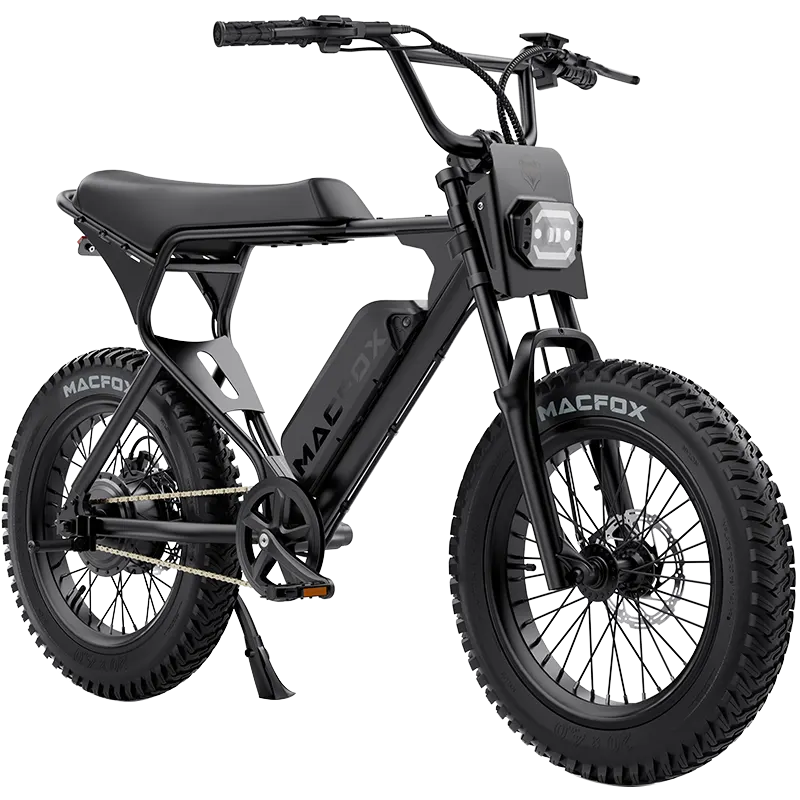
For Georgia riders, a straightforward daily setup usually means a clear label, a 20 mph everyday top speed, reliable brakes, and a route that fits local access rules. Current Macfox X1S and X7 product information positions both models around a 20 mph top speed with a 500W motor and 750W peak output. Always confirm the live product label and current local rules before riding.
| Model | Why It Fits This Discussion | Georgia Use Case | Check Before Riding |
|---|---|---|---|
| Macfox X1S commuter e-bike | A 500W, 20 mph commuter-style option for daily paved routes. | City errands, campus routes, neighborhood riding, and short commutes. | Class label, brake cutoffs, local path rules, and night-light requirements. |
| Macfox X7 fat tire e-bike | A 500W, 20 mph fat tire option with a wider contact patch and stronger street-riding feel. | Riders who want more stability and tire volume for paved or mixed city routes. | Class label, posted trail restrictions, tire pressure, and battery heat management. |

Sources and Local-Rule Reminder
Sources checked on May 12, 2026: Georgia Code 40-1-1, 40-6-300, 40-6-301, 40-6-302, and 40-6-303. This is a practical riding guide, not legal advice. Local authorities, parks, campuses, and state agencies may set more specific rules.
If you are comparing ownership cost beyond access rules, use Macfox's e-bike tax credits and rebates guide to check whether any incentive program applies to your state or city.
FAQ
Do you need a license for an electric bike in Georgia?
Georgia's electric assisted bicycle rules do not create a separate driver-license step for a qualifying e-bike. The bike still needs to fit the Georgia definition and class rules. Overpowered or non-pedal devices can fall outside this answer.
What is the motor wattage limit for an electric assisted bicycle in Georgia?
Georgia Code 40-1-1 defines an electric assisted bicycle as having an electric motor with a power output of not more than 750 watts, along with two or three wheels, a saddle, and fully operative pedals.
Can you ride e-bikes on the road in Georgia?
Electric assisted bicycle riders have the rights and duties of bicycle riders unless Georgia's e-bike rules provide otherwise. Riders still need to follow traffic rules and any local restrictions.
Can Class III e-bikes use bike paths in Georgia?
Class III e-bikes may not use a bicycle path or shared use path unless the path is within or adjacent to a highway, or the local authority or state agency permits Class III use on that path.
Are helmets required for Georgia e-bike riders?
Georgia has a specific helmet rule for Class III electric assisted bicycles: the operator and passenger must wear a bicycle helmet. Other helmet rules may apply by age, location, school, park, or event policy.