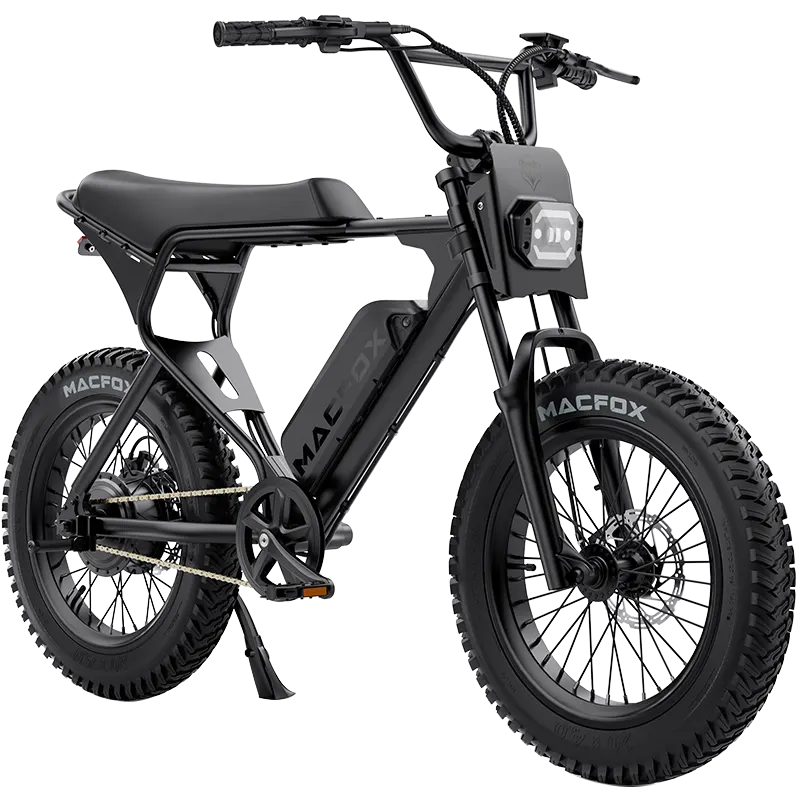


Connecticut packs a lot of variety into a small state: river valleys, historic mill towns and long rail-trails that link them together. Many of the best-known routes are paved or surfaced with crushed stone, which makes them comfortable for e-bike riders. Connecticut also has some of the more specific e-bike trail rules in the Northeast, so it is worth reading the rules section before you ride.
Connecticut E-Bike Laws at a Glance
Connecticut law (Conn. Gen. Stat. § 14-289k) uses the three-class system and gives e-bike riders the same rights and duties as bicycle riders, with a few important exceptions:
- Helmets: every e-bike rider and passenger, of any age, must wear a bicycle helmet.
- Class 3: riders must be at least 16, and Class 3 e-bikes are not permitted on bicycle or multi-use trails and paths.
- Class 2: unless a local ordinance allows it, Class 2 e-bikes may not be ridden on nonmotorized trails with a natural dirt surface. Paved and surfaced trails, such as asphalt or crushed stone, are generally treated differently.
- Local rules: towns and the state parks department (DEEP) may post additional restrictions, and posted rules take priority.
Since Macfox e-bikes are Class 2, plan around paved and surfaced trails and check signage at each trailhead.
Connecticut E-Bike Trails Worth Planning Around
Farmington Canal Heritage Trail
- Route: New Haven north toward the Massachusetts line
- Surface: mostly paved
- Good for: long, gentle rides through town centers
Built along a historic canal and later rail corridor, this is Connecticut’s signature long-distance trail. It passes through Hamden, Cheshire, Southington, Farmington and Simsbury, and continues into Massachusetts. Most of the corridor is open, though some sections still include on-road connections, so review a current map before planning a long ride.
Farmington River Trail
- Route: Farmington, Avon, Canton (Collinsville) and Simsbury
- Surface: mix of paved path and some on-road sections
- Good for: river scenery and a loop with the Canal Trail
The Farmington River Trail follows the river through the historic mill village of Collinsville and connects with the Farmington Canal Heritage Trail at both ends, creating a popular loop. Collinsville is a pleasant place to stop for coffee and to look at the old axe-factory buildings.
Airline State Park Trail
- Route: East Hampton east toward Windham and Thompson
- Surface: crushed stone
- Good for: quiet, wooded riding with historic viaducts
Following the old “Air Line” railroad between New York and Boston, this state park trail is wide and gently graded. Highlights include the Rapallo and Lyman viaducts near East Hampton and Colchester. As a DEEP-managed trail, check current state park guidance and posted signs before riding.
Pequonnock River Trail
- Route: Bridgeport, Trumbull and Monroe
- Surface: mix of paved and crushed stone
- Good for: a wooded greenway close to the shoreline cities
This trail follows the Pequonnock River north from Bridgeport through Trumbull’s Parlor Rock Park area. Some sections remain under development, so check a current map for connected segments.
Hop River State Park Trail
- Route: Manchester area east toward Willimantic
- Surface: mostly crushed stone
- Good for: a quiet rail-trail with river views
The Hop River Trail runs along a former rail line through Bolton, Coventry and Andover, with rock cuts and river views. It links with the Charter Oak Greenway near Manchester for riders who want a longer day.
Tips for Riding Connecticut Trails
- Helmet every ride: it is required for all e-bike riders in Connecticut.
- Know the surface: stick to paved and surfaced trails, and skip natural dirt singletrack unless local rules clearly allow Class 2 e-bikes.
- State park hours: Connecticut state parks are generally open from 8 a.m. to sunset, so plan rides to finish in daylight.
- Fall foliage: October weekends are beautiful and busy. Ride early and keep speeds comfortable around walkers.
Choosing a Macfox for Connecticut Trails
Every Macfox model is a Class 2 e-bike with a 20 mph assist limit and UL 2849 certification, so it fits the class most paved multi-use paths are built around. For paved greenways and everyday errands, the Macfox X1S keeps things light and simple. For longer rail-trail days, the Macfox X7 offers a more upright, touring-friendly position. For crushed-stone and mixed surfaces, the Macfox X2 Pro adds fat tires and extra cushioning. Riders who want a compact, easy-to-store option can look at the Macfox M16.
Looking for more places to ride? Our Best E-Bike Trails by State guide brings together route notes from across the country.
FAQs
Do you need a helmet for an e-bike in Connecticut?
Yes. Connecticut requires every e-bike rider and passenger, of any age, to wear a bicycle helmet.
Can I ride a Class 2 e-bike on Connecticut trails?
Generally yes on paved and surfaced bicycle and multi-use trails. Class 2 e-bikes are not permitted on nonmotorized natural-surface trails unless a local ordinance allows it, and posted signs take priority.
Are Class 3 e-bikes allowed on Connecticut bike paths?
No. Class 3 e-bikes are not permitted on bicycle or multi-use trails and paths in Connecticut, and riders must be at least 16.
What is the longest bike trail in Connecticut?
The Farmington Canal Heritage Trail is the state’s best-known long-distance route, running from New Haven toward the Massachusetts line.
Last reviewed October 2026. Trail conditions and local rules change; please confirm with trail managers before riding.