
If you ride mostly flat streets, bike paths, and short city routes, a 250W e-bike motor can be enough. If you regularly face hills, heavier rider-and-cargo loads, stop-and-go starts, or rougher pavement, a 500W motor usually feels stronger and less strained.
The difference is not just top speed. A 500W motor can hold assist more confidently under load, but it can also use more battery and may need closer attention to class rules, controller limits, and local riding restrictions. A 250W motor is often quieter, lighter-feeling, and more efficient, but it gives less reserve power when the route gets harder.
250W vs 500W E-Bike Motors at a Glance
| Question | 250W motor | 500W motor | What to think about |
|---|---|---|---|
| Flat commuting | Usually enough for steady city riding. | Feels quicker from stops and under load. | Choose by rider weight, traffic starts, and route distance. |
| Hills | Fine for mild slopes with rider effort. | Better for steeper climbs and heavier loads. | Torque, gearing, battery voltage, and controller tuning still matter. |
| Battery range | Often more efficient at moderate assist. | Can drain faster if used hard. | A larger battery can matter more than motor watts alone. |
| Speed | Limited by class, controller, road, and rider input. | Can support stronger acceleration, not guaranteed higher legal speed. | Do not judge speed by watts alone. |
| Best rider fit | Flat-route commuters, lighter loads, casual paths. | Hilly routes, heavier riders, cargo, stronger acceleration needs. | Match the motor to the hardest part of your normal ride. |
What a 250W Motor Actually Feels Like
A 250W motor works best when the rider is still part of the power system. On flat ground, it can make starts easier, help maintain a comfortable cruising pace, and reduce fatigue over repeated errands or commutes. It is a practical choice when the route is predictable and the rider does not expect motorcycle-like acceleration.
The limit appears when the bike has to overcome resistance: a steep hill, a heavy backpack, a child seat, a trailer, soft tires, headwind, or repeated stop signs. In those moments, a 250W system may ask for more pedaling effort or drop speed sooner than a stronger motor.
For a deeper look at 250W speed, hill limits, and legal expectations, use the 250W e-bike speed and hill guide. This page stays focused on the comparison between 250W and 500W rather than every 250W riding scenario.
What a 500W Motor Actually Changes
A 500W motor gives more usable reserve. It can start with less hesitation, carry speed better into a climb, and feel more relaxed when the bike is loaded. That matters for riders who commute through hills, carry groceries, ride with a larger body weight, or want the bike to feel responsive in traffic.
That extra power does not automatically mean the bike should be ridden faster everywhere. Top speed is shaped by the controller, assist level, class setting, battery voltage, wheel size, tire pressure, rider posture, terrain, and local rules. If your question is only about top speed, continue with the 500W speed page instead of treating this comparison as a speed chart.
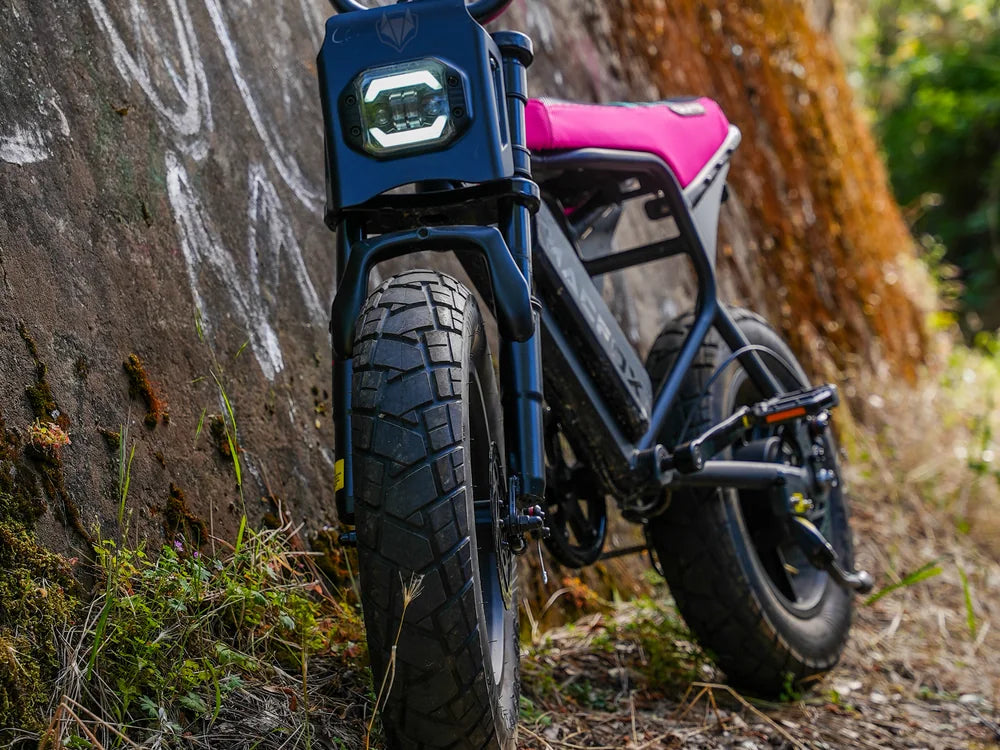
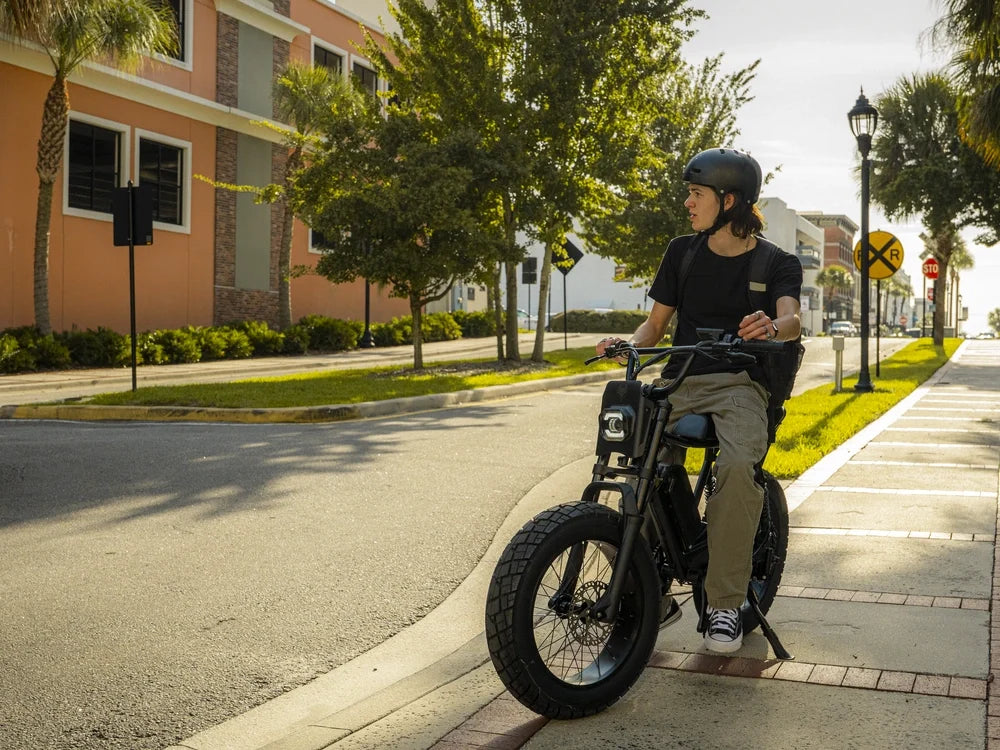
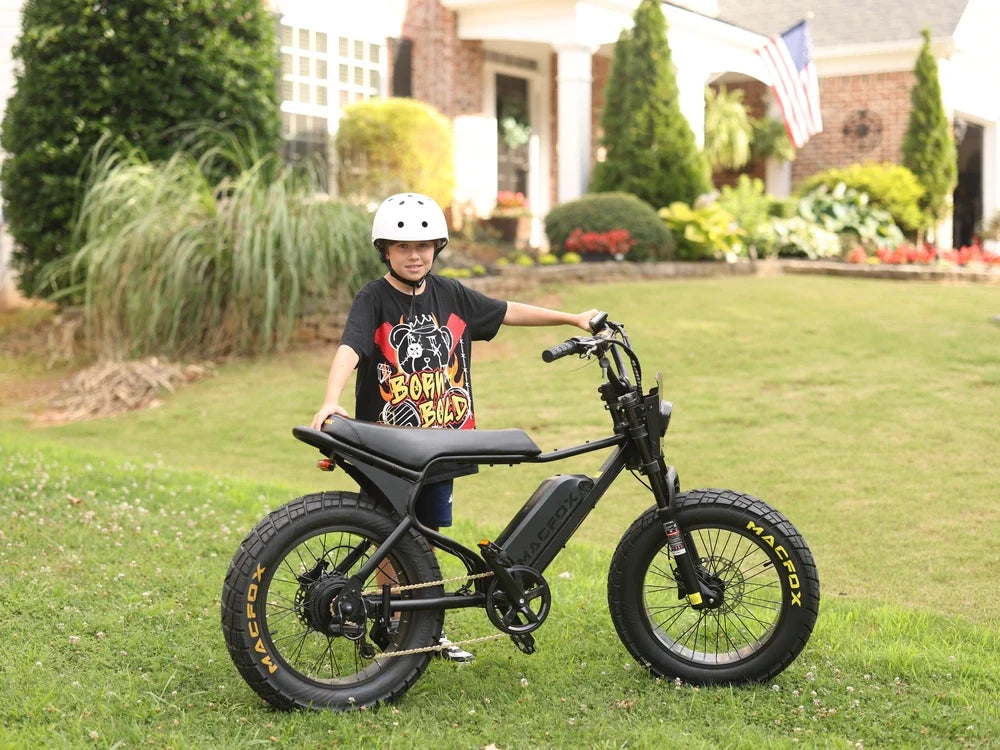
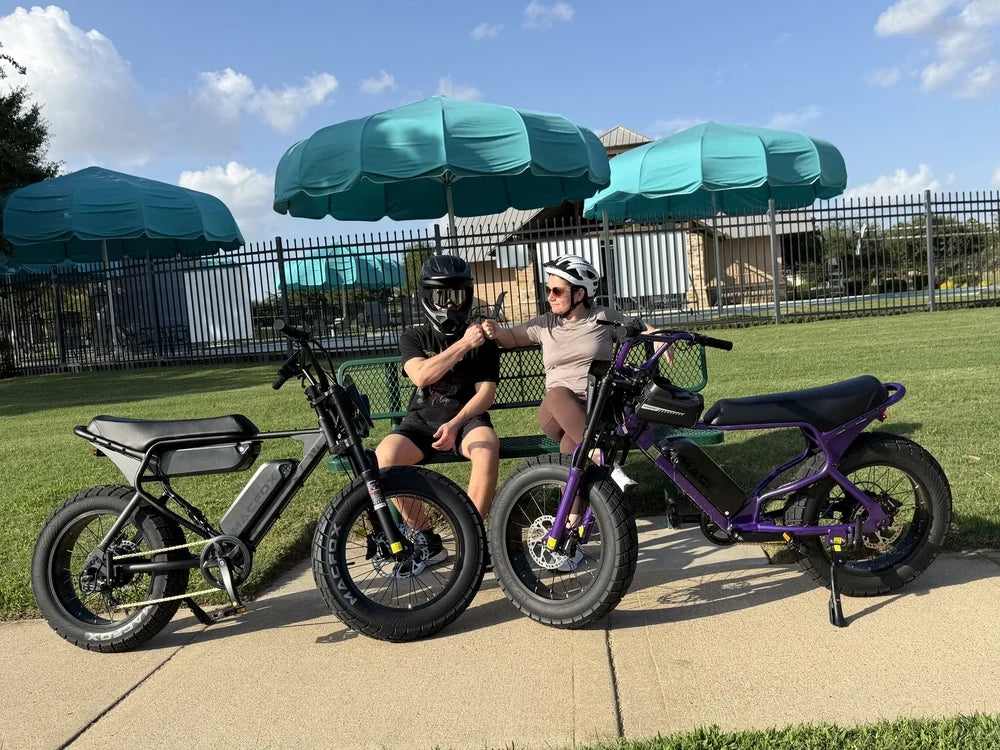
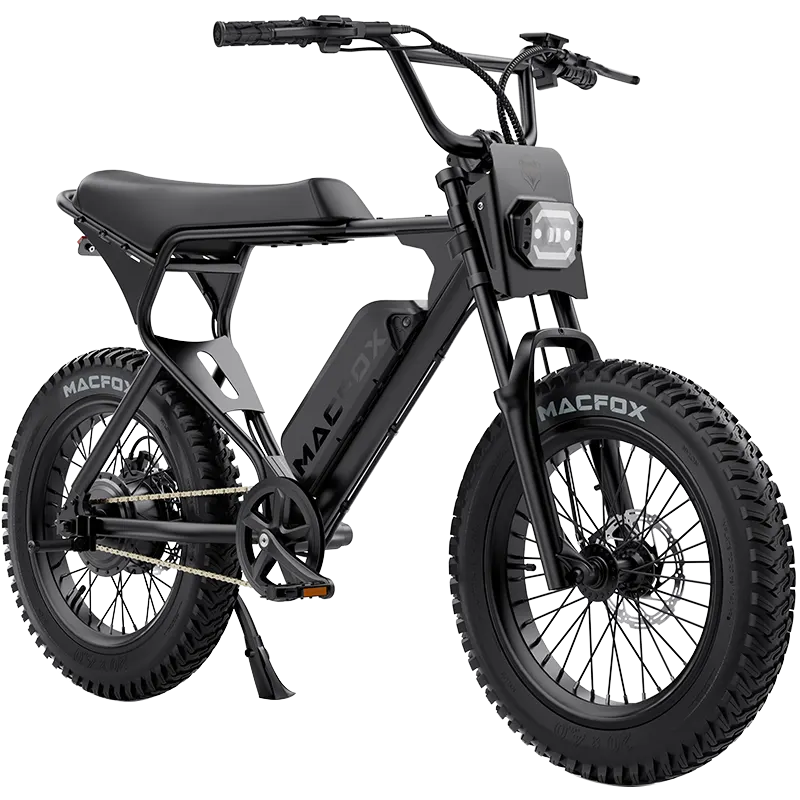
The Macfox X1S commuter e-bike is the clean Macfox reference point here because its current live product specification lists a Class 2 setup with a 500W motor, 750W peak output, 20 mph top speed, and up to 28 miles per charge, or 56 miles with a dual-battery setup.
Speed, Torque, and Peak Power Are Not the Same
Motor watts describe rated output, but the riding feel also depends on torque and controller behavior. Torque affects how strongly the bike pushes from a stop or up a climb. Controller tuning affects how quickly power arrives. Battery voltage and current limits affect how long the system can keep delivering that support.
Peak power can also confuse shoppers. A bike may be described as 500W with a higher peak output for short bursts, but that does not mean it can run at peak output continuously. Use the peak power guide if you want to separate nominal motor rating from short burst output.
When comparing real ride speed, use the e-bike speed factors guide. It covers the things that change speed in practice, including rider weight, tire pressure, battery charge, road grade, wind, assist setting, and drivetrain condition.
Battery Range: Why 250W Can Go Farther and 500W Can Feel Better
At the same battery size and riding speed, a lower-power system often uses less energy. That is why a 250W e-bike can be a good range choice for light commuting and smooth pavement. It gives enough help without encouraging the rider to lean on high assist all the time.
A 500W motor can still deliver good range if the battery is sized well and the rider uses moderate assist. The range problem appears when the extra power is used constantly: hard starts, high assist, heavy cargo, hills, low tire pressure, and cold weather can all pull more energy from the battery.
The practical question is not which motor is always more efficient. It is whether the weaker motor has to work near its limit too often. If a 250W motor is always struggling on your route, a 500W system used moderately may feel smoother and more useful even if it has a higher power rating.
Legal and Class Considerations
In many regions, legal e-bike treatment depends on assisted speed, throttle behavior, motor rating, and class label. A 250W motor is often easier to fit into strict low-power rules, especially in markets that focus heavily on the 250W threshold. In the United States, many state class systems commonly allow higher rated power than 250W, but local rules still decide where each bike can ride.
If you are comparing a throttle bike, a Class 2 setup, or a pedal-assist Class 3 label, read the e-bike class guide before using watts as the only access signal. A 500W motor can be legal in one setup and unsuitable for a specific trail or path in another setup.
Rider Weight, Cargo, and Route Difficulty
The same motor can feel very different under two riders. A lighter rider on flat pavement may find 250W smooth and efficient, while a heavier rider with a backpack, lock, work bag, or child seat may find the same setup slow to start and weak on climbs. Total load matters because the motor has to move the rider, bike, battery, accessories, cargo, and sometimes a trailer.
This is where 500W often earns its place. It gives the system more room before it feels strained. That does not mean every rider needs it, but it does mean the choice should be based on the hardest five minutes of your normal ride rather than the easiest flat stretch. If the hardest part is a bridge, a long hill, or a repeated stop-and-start commute, the stronger motor may feel more natural.
Heat, Brakes, and Control Still Matter
More motor power also asks more from the rest of the bike. A stronger motor can climb and accelerate better, but the bike still needs brakes, tires, wheels, frame strength, and battery management that match the riding style. If a route includes long descents, wet pavement, crowded paths, or frequent traffic stops, control and stopping confidence matter as much as acceleration.
A weaker motor ridden near its limit can run hot or feel sluggish. A stronger motor ridden carelessly can create speed and control problems. The best setup is balanced: enough power for the route, enough battery for the distance, and enough braking and tire grip for the way the bike will actually be used.
Which Motor Should You Choose?
- Choose 250W if your rides are mostly flat. It is enough for light city commuting, casual fitness rides, and riders who want efficient assistance rather than strong acceleration.
- Choose 500W if hills are part of your normal route. The extra reserve helps when the bike is loaded, the road grade changes, or you need stronger starts from traffic lights.
- Choose 250W if local rules strongly favor low-power bikes. Some markets and paths are more comfortable with 250W limits, so legal fit can be more important than extra power.
- Choose 500W if rider weight and cargo are real factors. More mass needs more torque and more sustained assistance, especially on climbs.
- Do not choose by watts alone. Battery capacity, torque, controller tuning, brakes, tires, frame fit, and route type can change the result more than the motor label suggests.
When you are ready to compare complete bikes rather than only motors, start with the electric bike category and narrow the choice by route, load, speed limit, throttle preference, battery range, and service needs.
When 500W Still May Not Be Enough
A 500W motor is stronger than 250W, but it is not magic. Very steep hills, soft sand, muddy trails, heavy trailers, large cargo loads, and high-speed off-road riding can still demand more torque, better cooling, stronger brakes, and a frame built for that use. If your goal is serious off-road performance, do not treat this page as permission to push a commuter bike beyond its design.
For a broader shopping decision across many motor ratings, use the e-bike wattage guide. This page should help you make the narrower 250W vs 500W decision without turning the comparison into a full motor encyclopedia.
FAQ
Is a 250W e-bike motor enough for commuting?
Yes, it can be enough for flat or mildly rolling commutes, especially when the rider is not carrying much cargo and is comfortable pedaling. It is less ideal for steep hills, heavy loads, and riders who want stronger acceleration.
Is a 500W e-bike much faster than a 250W e-bike?
Not always. A 500W motor usually accelerates better and holds speed under load more easily, but legal top speed depends on class, controller settings, local rules, and the bike's setup.
Does a 500W motor drain the battery faster?
It can, especially if you use high assist, climb often, carry cargo, or accelerate hard. With a well-sized battery and moderate assist, a 500W bike can still have practical daily range.
Is 250W better than 500W for legal riding?
In some places, yes, because 250W fits stricter low-power definitions. In many U.S. class systems, legal status also depends on assisted speed and throttle behavior, so check the specific rule where you ride.
Should heavier riders choose 500W?
Often, yes. A heavier total load puts more demand on the motor during starts and climbs. Still check the bike's total payload rating, brakes, tire pressure, and battery size before making the decision.
Bottom Line
Choose 250W when your priority is efficient, simple assistance for flatter routes and lighter loads. Choose 500W when your real ride includes hills, heavier cargo, stronger starts, or a need for more power reserve. The best answer is the motor that handles the hardest part of your normal ride while still fitting your local rules and the bike's intended use.