
Most people asking how much a bike costs are not really asking for one average number. They are trying to avoid buying something too cheap to last, too expensive for the way they ride, or mismatched for the route they actually use.
In 2026, a realistic bicycle budget can range from a few hundred dollars for a basic casual bike to several thousand dollars for a higher-quality bike or an electric bike. The right answer depends on terrain, distance, rider weight, storage, maintenance comfort, and whether the bike will replace short car trips or only handle occasional weekend rides.
Quick Cost Ranges for 2026

| Bike Type | Typical Budget | Best Fit | What to Check |
|---|---|---|---|
| Basic casual bike | $250-$600 | Short rides, flat paths, low weekly mileage. | Check brakes, wheel strength, fit, and whether replacement parts are easy to find. |
| Reliable commuter bike | $600-$1,200 | Frequent city rides, errands, campus or office travel. | Often worth comparing with a commuter e-bike if hills, distance, or sweat are the main problem. |
| Performance or specialty bike | $1,200-$3,000+ | Road, gravel, mountain, cargo, or higher-end component needs. | Only worth it if the frame, drivetrain, brakes, and fit match a specific riding goal. |
| E-bike | $900-$2,500+ for many direct-to-consumer models | Longer errands, hillier commutes, heavier loads, and replacing short car trips. | Use the electric bike buyer guide before comparing prices alone. |
What Makes a Bike Worth the Money?
A good bike is not defined only by frame material or brand name. It should fit the rider, stop predictably, hold alignment, use parts that can be maintained, and feel stable on the route where it will be used most. A cheaper bike can be fine for light recreational use, but it becomes expensive if it needs immediate brake work, wheel truing, tires, saddle replacement, or drivetrain service.
For an e-bike, value also includes battery placement, motor support, controller quality, display clarity, charger access, and whether the brand makes replacement parts easy to understand. The upfront price is only one part of ownership.
Cheap Bikes: When They Work and When They Do Not
A low-cost bike can work if the ride is short, flat, and occasional. It is less convincing when the rider is commuting daily, carrying cargo, riding in rain, or depending on the bike to arrive on time. The common failure pattern is not one dramatic breakdown; it is a stack of small problems: weak brakes, uncomfortable contact points, poor shifting, tires that puncture easily, and parts that are hard to adjust.
If your route is simple and your expectations are modest, keep the budget low and spend a little on a lock, lights, pump, and helmet. If the bike is replacing car trips or daily transit, spending more on reliability is usually easier to justify.
How E-Bikes Change the Budget Question
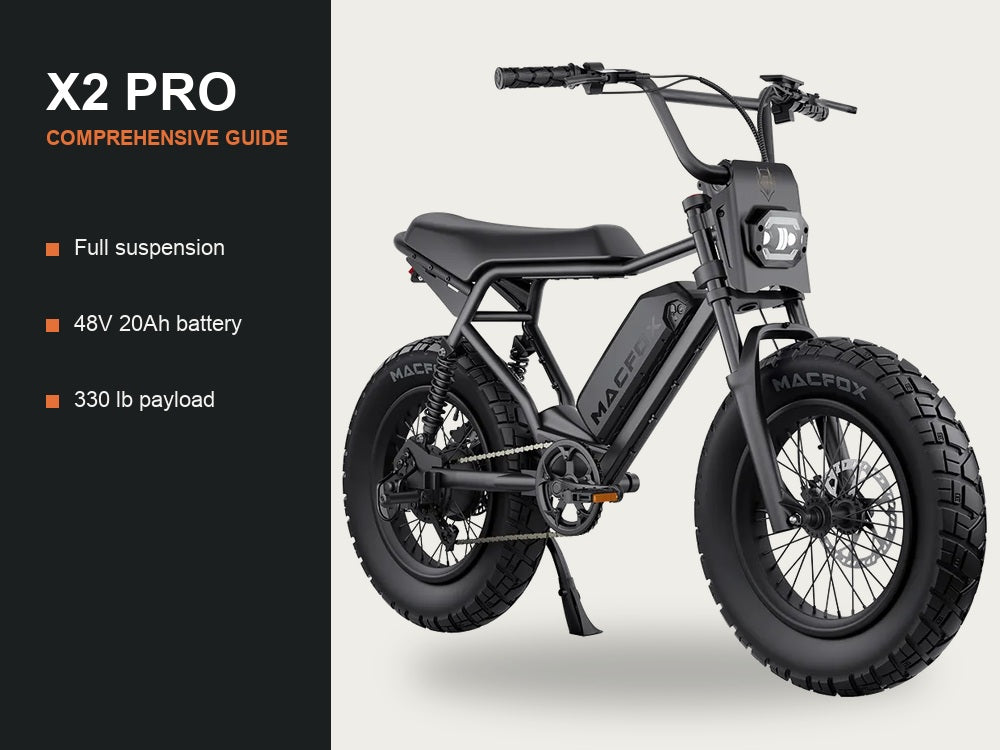
An e-bike costs more than a regular bicycle because it adds a motor, battery, controller, display, wiring, and charger. Those parts should not be treated as bonus extras; they are the system that decides whether the bike feels useful after the first week.
The question is not simply whether an e-bike is more expensive. The better question is whether the added assist solves a real cost problem: parking, gas, rideshare trips, sweat on a work commute, hill fatigue, or time spent on short errands. For a deeper breakdown of why electric models cost more, compare this page with Macfox's e-bike cost guide.
Budget Beyond the Bike Itself
| Cost Area | Why It Matters | Buying Note |
|---|---|---|
| Lock | Important for any bike that will be parked outside. | Do not leave this out of the first-purchase budget. |
| Helmet and lights | Safety basics for commuting and evening rides. | Even a good bike is incomplete without visibility. |
| Fenders or rack | Useful for errands, rain, bags, and daily use. | Buy based on route, not appearance alone. |
| Maintenance | Tires, brake pads, chain service, and occasional adjustments. | A more reliable bike can reduce surprise costs. |
| Battery care for e-bikes | Charging habits and storage affect long-term value. | Read Macfox's battery care guide if battery life is part of your budget decision. |
Which Macfox Direction Fits This Budget Question?
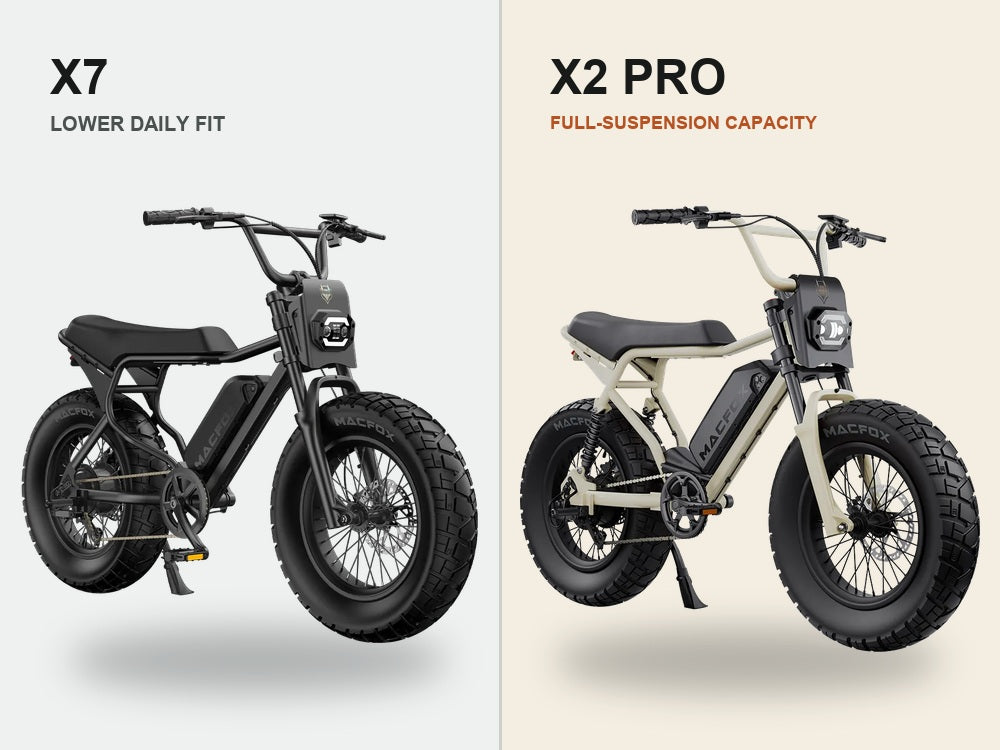
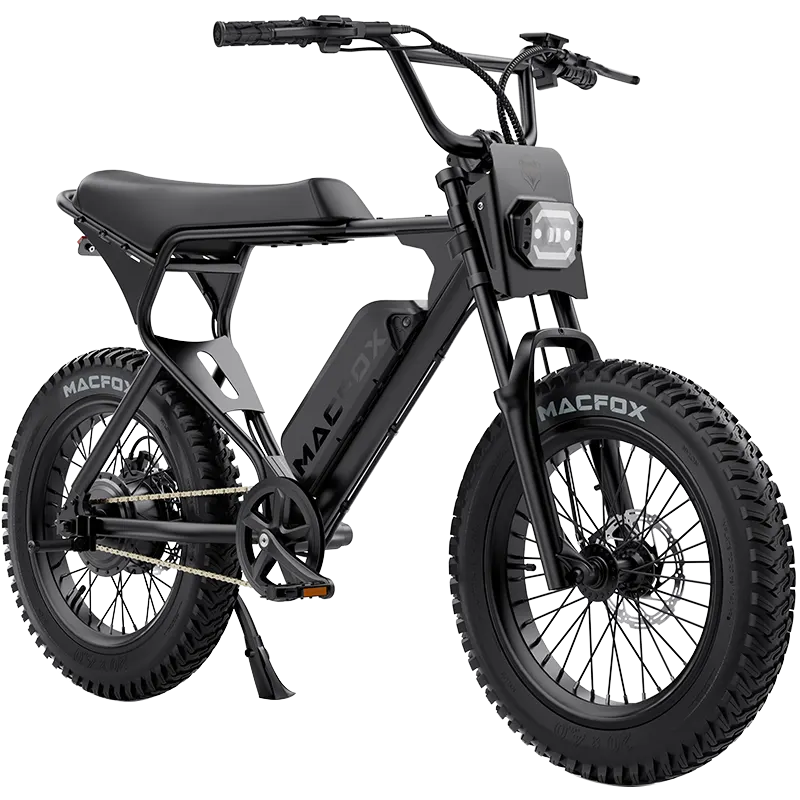
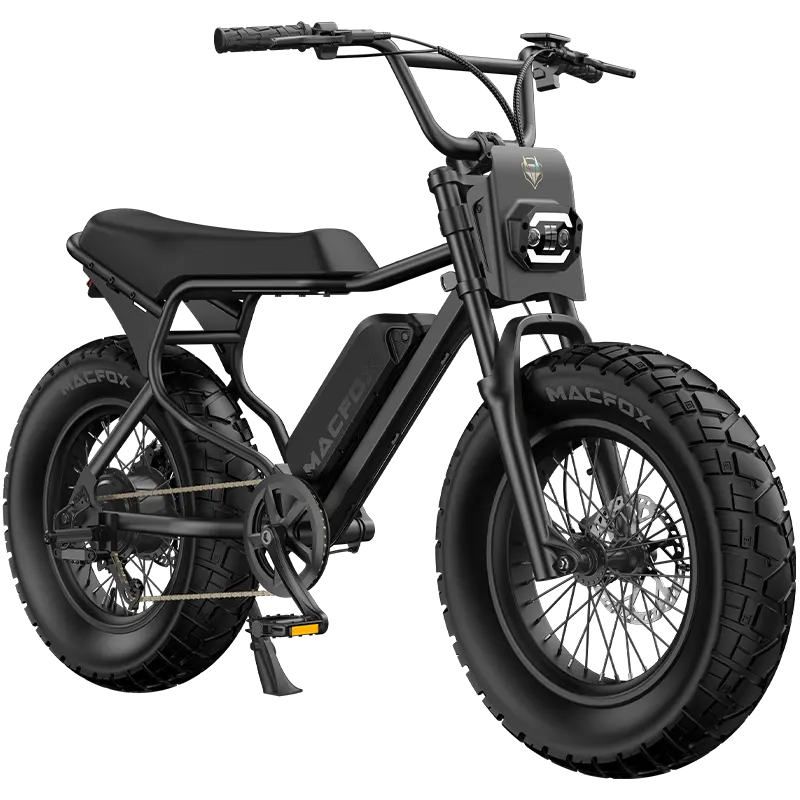
If your budget is mainly about practical commuting, the Macfox X1S e-bike is the cleaner starting point because it is built around everyday street use, familiar handling, and regular errands. If your route includes rougher pavement, wider tires, and a more planted stance, the Macfox X7 e-bike is the better comparison point.


Final Buying Rule
Do not buy the cheapest bike that technically moves, and do not buy the most expensive bike because it looks more serious. Set the budget by use case. A casual weekend bike can stay simple. A daily commuter needs reliability. An e-bike needs a complete system that matches distance, terrain, and storage. That is the difference between a bike that feels cheap at checkout and a bike that stays useful after purchase.
FAQ
How much should I spend on a first bike?
For light casual riding, many buyers can start around $400-$800. For daily commuting, it is usually smarter to budget for better brakes, tires, fit, and accessories.
Are expensive bikes always better?
No. Expensive bikes are only better when the added features match your route, body fit, maintenance plan, and riding frequency.
Is an e-bike worth the higher cost?
It can be if it replaces short car trips, helps with hills, reduces commute effort, or makes longer errands realistic. If you only ride occasionally on flat paths, a regular bike may be enough.